

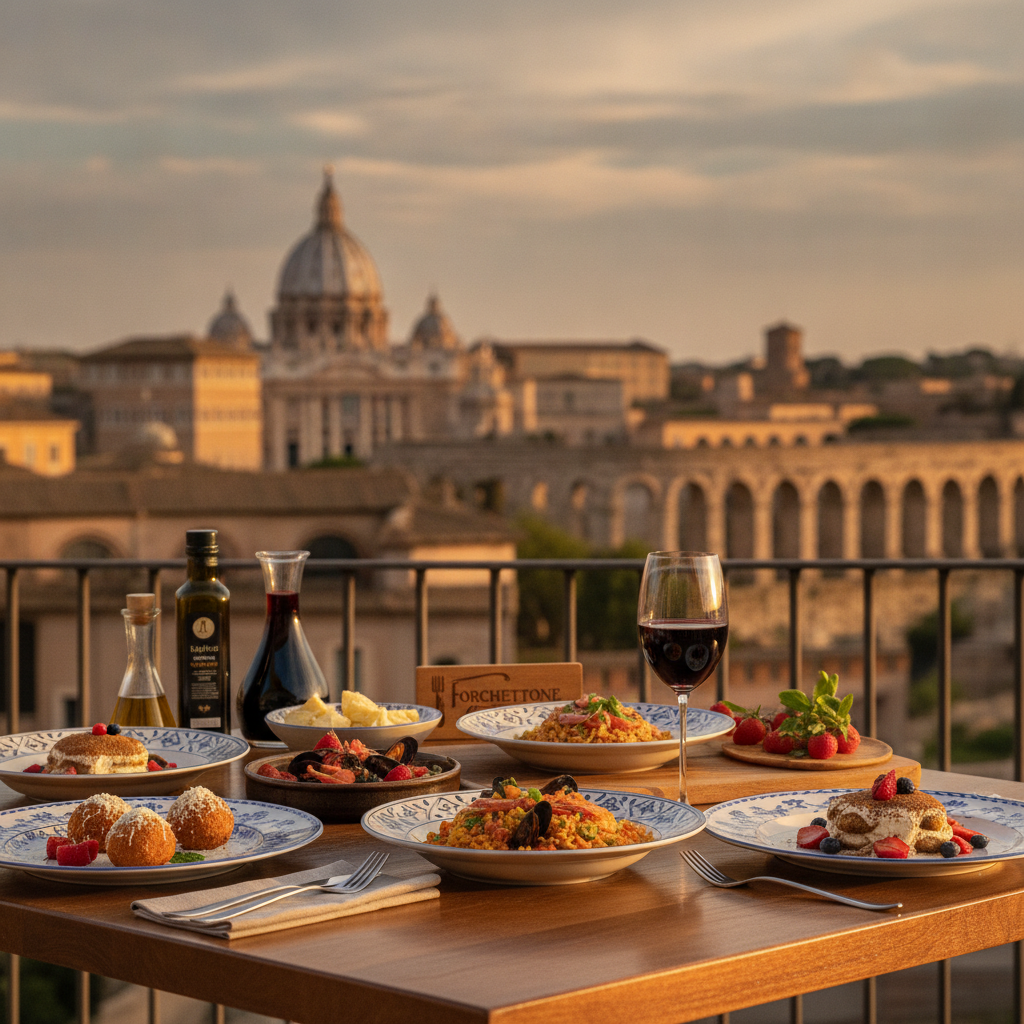
Rome is a city where history is not just found in the ruins of the Colosseum or the corridors of the Vatican, but also on the plates served in its bustling trattorias and innovative modern eateries. For any traveler or food lover, navigating the Roman culinary landscape can be an overwhelming experience. To help you savor the best the Eternal City has to offer, we have curated this guide. If you are wondering what to eat in Rome: The ultimate list of must-try dishes starts right here, blending centuries-old traditions with the exciting world of Mediterranean fusion.
The Big Three: Roman Pasta Classics
You cannot claim to have experienced Rome without diving deep into its "Big Three" pasta dishes. These recipes are the backbone of Roman identity, relying on high-quality, local ingredients like Pecorino Romano cheese and guanciale (cured pork jowl).
First on the list is Pasta alla Carbonara. Unlike the cream-heavy versions found elsewhere, an authentic Roman Carbonara uses only eggs, Pecorino Romano, guanciale, and black pepper. The result is a silky, golden sauce that clings perfectly to spaghetti or rigatoni. Next is Amatriciana, which introduces the sweetness of San Marzano tomatoes and a hint of chili to the salty crunch of guanciale. Finally, there is Cacio e Pepe. This dish is a masterclass in simplicity, requiring only pasta water, cheese, and toasted black pepper to create a creamy masterpiece that defines the Roman spirit.
At Il Forchettone, located in the heart of the city at Via Val Trompia 8/10, we respect these traditions while ensuring every ingredient is sourced from the finest Mediterranean producers to maintain the authenticity these legends deserve.
Traditional Appetizers: The Art of the Supplì
Before the pasta arrives, Roman tables are usually filled with "fritti" (fried snacks). The king of these is the Supplì al Telefono. These are fried rice balls filled with ragù and a heart of mozzarella. The name "al telefono" comes from the string of melted cheese that forms when you pull the ball apart, resembling an old-fashioned telephone cord. It is the ultimate Roman street food and a mandatory starter for any meal.
Another seasonal must-try is the Carciofo alla Giudía (Jewish-style artichoke). These are deep-fried whole until they look like golden sunflowers. The outer leaves become as crispy as potato chips, while the heart remains tender and flavorful. These dishes represent the historical depth of Roman cuisine, merging influences from various cultures that have called this city home for millennia.
Roman Fusion: A New Perspective at Il Forchettone
While tradition is sacred in Rome, the city's food scene is constantly evolving. This is where the concept of "Roman Fusion" comes into play. At Il Forchettone, we believe that Mediterranean ingredients can elevate traditional Roman recipes into something contemporary and exciting. Our kitchen, situated at Via Val Trompia 8/10, 00141 Rome RM, experiments with textures and global influences while staying rooted in the flavors of the Lazio region.
Imagine a classic saltimbocca but reimagined with Mediterranean herbs and innovative cooking techniques, or seafood dishes that bring the freshness of the Tyrrhenian Sea directly to the Roman table using fusion marinades. This balance between the old and the new is what makes the current Roman food scene so vibrant. By integrating Mediterranean diet principles—widely recognized by authorities like Gambero Rosso for their health benefits and cultural significance—we offer a menu that is both indulgent and refined.
Secondi Piatti: Meat and Beyond
After the pasta, Roman "Secondi" (main courses) often feature hearty meat dishes. Saltimbocca alla Romana is a fan favorite, consisting of tender veal topped with prosciutto crudo and sage, sautéed in white wine. The name literally translates to "jump in the mouth," and for good reason—the explosion of savory flavors is irresistible.
For those looking for something truly traditional, Coda alla Vaccinara (oxtail stew) is the pinnacle of Roman "Quinto Quarto" (offal) cooking. Slowly braised with celery, cocoa, and tomatoes, this dish turns a humble cut of meat into a rich, velvety delicacy that melts off the bone. It represents the resourcefulness of historical Roman cooking, where nothing was wasted and everything was turned into art.
The Mediterranean Influence and Fresh Produce
Rome is uniquely positioned to take advantage of both the fertile land of the Italian countryside and the riches of the nearby coast. This allows Roman cuisine to be incredibly seasonal. In the spring, you must try Vignarola, a stew made from fresh peas, fava beans, artichokes, and lettuce. It is a celebration of the Mediterranean harvest on a single plate.
The use of high-quality olive oil, fresh vegetables, and legumes is a hallmark of our kitchen at Il Forchettone. We strive to provide a dining experience that honors the Mediterranean lifestyle, focusing on balance, flavor, and the joy of sharing a meal with loved ones.
Why Visit Il Forchettone in Rome?
Located at Via Val Trompia 8/10, 00141 Rome RM, Il Forchettone is more than just a restaurant; it is a culinary destination. Whether you are seeking the comforting embrace of a traditional Carbonara or the surprising twist of a Roman fusion creation, our menu is designed to satisfy every palate. We take the "Ultimate List of Must-Try Dishes" and bring it to life using passion, expertise, and the freshest ingredients available.
Rome is a city that demands to be tasted. From the street corners selling hot supplì to the elegant dining rooms of the Montesacro district, every bite tells a story of survival, celebration, and innovation. We invite you to join us and discover why Roman cuisine remains one of the most beloved in the world. Your journey through the flavors of Italy starts with a single forkful—make sure it's at Il Forchettone.
In conclusion, when planning your trip, remember that what to eat in Rome: The ultimate list of must-try dishes is a guide not just to food, but to the culture and heart of the city itself. Don't settle for the tourist traps; look for the places where locals eat, where the guanciale is crispy, and where the fusion of tradition and modernity creates something truly magical.